
When the North Las Vegas, NV summer heat arrives, the air conditioner becomes one of the most critical systems in the home. A reliable AC unit does more than provide comfort during triple-digit days. It protects families from the real health risks posed by extreme desert heat, particularly for children, elderly residents, and anyone with respiratory or cardiovascular sensitivities. The problem is that even dependable systems develop wear over time, and the warning signs that precede a breakdown are often gradual enough to be dismissed until the situation becomes urgent.
Recognizing those early signals before a breakdown occurs is what separates a straightforward repair from an emergency service call on a 115-degree afternoon. Homeowners who schedule AC repair in North Las Vegas, NV, at the first sign of trouble consistently face smaller repair scopes, lower costs, and fewer disruptions to comfort during the cooling season.
1. Unusual Noises Coming From the Unit
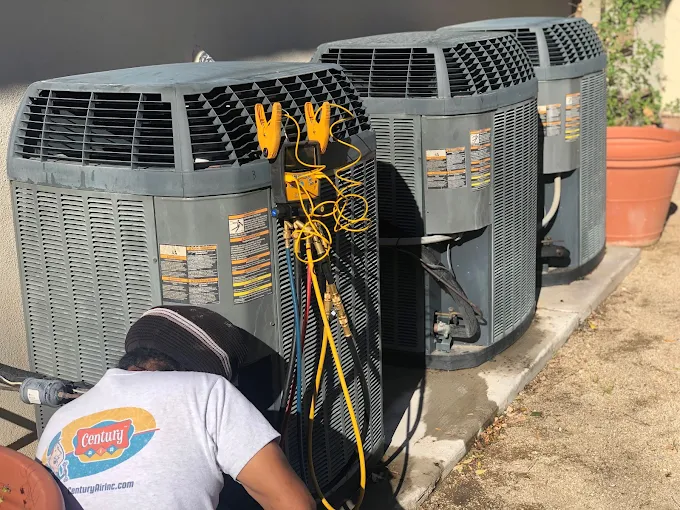
A properly functioning AC system operates with a consistent, relatively quiet sound profile. When new or unfamiliar sounds appear during operation, they are rarely random. They are mechanical signals indicating that something inside the system has changed.
Common sounds and what they typically indicate:
- Banging or clanking: Loose or broken components inside the compressor, or a blower assembly that has shifted out of balance and is making contact with surrounding surfaces
- Squealing or screeching: Worn bearings in the blower motor or a belt that has deteriorated and is slipping under load
- Hissing: Refrigerant escaping through a leak in the system, or air bypassing duct seals and escaping before reaching the living space
- Rattling or buzzing: Loose electrical connections, debris that has entered the outdoor unit, or a fan blade that has become unbalanced
Each of these sounds points to a specific mechanical condition. Continuing to operate the system while unusual sounds persist risks secondary damage, in which the original issue causes stress or impacts to adjacent components, significantly expanding the repair scope. When sounds are new, persistent, or worsening, a professional evaluation should not be deferred.
2. Weak or Inconsistent Airflow
When airflow from supply registers feels weak or noticeably reduced compared to normal operation, the system is telling you that something is restricting its ability to circulate conditioned air effectively. In North Las Vegas, NV, where homes are often tightly sealed for energy efficiency and HVAC systems run continuously for months at a time, airflow restrictions are among the more common findings during service calls.
Signs that airflow may be compromised include:
- Certain rooms feel significantly warmer than others, despite the system running
- Registers that previously delivered strong airflow now feel noticeably weaker
- Dust or debris is accumulating more rapidly around vent openings, suggesting restricted but turbulent air movement
- The system runs for longer cycles without achieving the thermostat’s set temperature
Causes range from a clogged filter, which is often the simplest fix, to blower motor performance issues, a frozen evaporator coil, or duct leaks that allow conditioned air to escape into unconditioned attic spaces. All of these require professional evaluation to diagnose accurately and resolve completely.
3. Warm Air or Inconsistent Cooling
An AC system that runs continuously without cooling the home adequately is not simply less effective. It is operating in a compromised state, placing ongoing stress on the compressor and other components with every cycle. In North Las Vegas, NV’s summer climate, a system delivering warm or intermittently cool air during peak heat hours warrants prompt professional attention.
Symptoms to watch for include:
- The system runs without meaningfully lowering the indoor temperature
- Warm air from supply registers even when the thermostat is set well below the current room temperature
- Ice forming on the refrigerant lines or visible on the indoor coil paradoxically prevents effective cooling, despite indicating extreme cold at the coil surface.
- Thermostat readings that do not match the actual feel of the indoor environment
These symptoms commonly trace back to low refrigerant due to a leak, compressor performance issues, thermostat calibration problems, or heavily contaminated evaporator coils that can no longer absorb heat effectively. None of these resolves on its own, and all of them worsen the longer the system continues to run in a degraded state. Professional AC repair is the appropriate response when cooling output has declined noticeably.
4. Rising Energy Bills Without Explanation
An unexplained increase in energy costs is one of the more reliable early indicators that the AC system is losing efficiency. When a system is functioning correctly, it maintains the home’s temperature through regular, reasonably timed cycles. When efficiency degrades, it runs longer, starts more frequently, or both, consuming more electricity to deliver the same or lesser output.
In North Las Vegas, NV, where NV Energy cooling costs are already high during peak summer periods, the difference between a well-maintained system and a degraded one is clear on the monthly statement.
Common efficiency-related causes include:
- Dirty evaporator or condenser coils that are insulated by dust and debris, reducing the rate of heat transfer that the system was designed for
- Low refrigerant charge from a developing leak, which forces longer run times to achieve the same temperature reduction
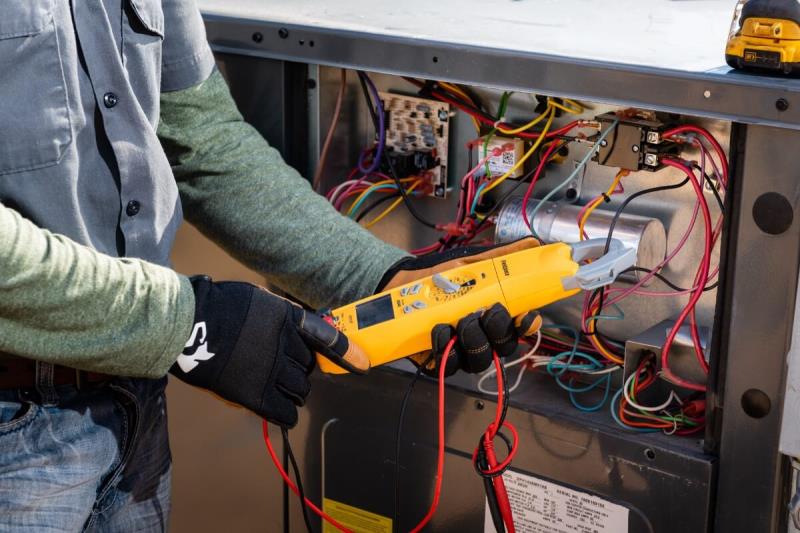
- Worn capacitors or contactors that affect how reliably and efficiently the compressor starts and maintains operation
- Duct leaks are releasing conditioned air into unconditioned spaces before it reaches the living area
If utility costs have increased without a change in usage habits or outdoor temperature patterns, a professional system evaluation is the most direct way to identify the cause. Regular AC maintenance addresses most of these factors before they lead to measurable efficiency loss.
5. Short Cycling: Frequent On and Off Cycles
Short cycling, where the AC system turns on and off rapidly without completing full, efficient cooling cycles, is among the most damaging operating patterns a system can develop. Every startup draws significantly more electrical current than during steady-state operation, and the mechanical stress of repeated starts accelerates wear on the compressor, the most expensive component in the system to replace.
Common indicators that the system is short cycling include:
- The system starts and stops every few minutes, regardless of how far the indoor temperature is from the thermostat setting
- Temperatures throughout the home are uneven, with some areas never reaching adequate cooling
- Clicking sounds during startup or shutdown that are more frequent or irregular than normal
- Energy bills have increased despite the system seemingly running for shorter periods
Causes include a malfunctioning thermostat, low refrigerant charge, electrical component failures, or a system that is oversized for the home it serves and cools the space near the thermostat too quickly before completing full air distribution. A professional AC tune-up that includes electrical component testing, refrigerant evaluation, and thermostat assessment is the most effective way to identify the root cause and stop the pattern before compressor damage follows.
Century Air Keeps North Las Vegas, NV Cool All Season Long
Unusual sounds, weak airflow, warm air, rising energy bills, and short cycling are all early signals worth acting on rather than waiting out. In North Las Vegas, NV’s summer climate, the window between a manageable repair and a system failure can close quickly once a problem has progressed. Century AC & Heating Repair has been helping homeowners in North Las Vegas, NV, stay ahead of AC trouble since 1997. As a family-owned company, we bring honest assessments, precise repairs, and a genuine commitment to your comfort to every service call. If your system is showing any of these signs, do not wait for a complete breakdown. Reach out to our team today to schedule a professional inspection while the solution is still straightforward.