




Centennial Hills sits at one of the higher elevations in the Las Vegas Valley, and that higher ground means genuinely colder winter nights than homeowners in lower parts of the valley typically experience. Furnaces here work harder during cold snaps than the broader Las Vegas averages might suggest. Century AC & Heating Repair has served this community since 1997, and calls for furnace repair in Centennial Hills, NV consistently pick up whenever a cold front settles in over the higher northwest valley.
Much of Centennial Hills was built between the late 1990s and 2010s, which means the community’s original furnace equipment is now old enough to be reaching typical replacement age, even in homes that otherwise still feel relatively new. That combination of elevation-driven cold and aging first-generation equipment shapes much of the furnace work we do here.


Centennial Hills homeowners tend to notice a fairly consistent set of warning signs given the community’s elevation and housing age. These are the most common ones.
Because Centennial Hills genuinely gets colder than much of the valley, a struggling furnace here has less margin for error than one in a warmer, lower-elevation neighborhood.
A furnace’s expected lifespan doesn’t stretch just because the surrounding home still looks and feels modern. Much of Centennial Hills was developed between the late 1990s and 2010s, which puts a significant share of original HVAC equipment somewhere between fifteen and twenty-five years old, right in the window where component failure becomes noticeably more common.
The community’s elevation, higher than most of the surrounding valley, means winter cold snaps hit harder here than the citywide averages suggest. A furnace that’s marginal but still functional in a lower-elevation neighborhood may fail outright in Centennial Hills simply because it’s being asked to work harder against genuinely colder outdoor air.
Homes with two-story layouts, common throughout Centennial Hills, also present a specific challenge for heating rather than cooling. Heat naturally rises, which can leave upper floors comfortable while ground-floor rooms lag behind, a pattern that’s easy to mistake for an equipment failure when it’s often an airflow balance issue instead.

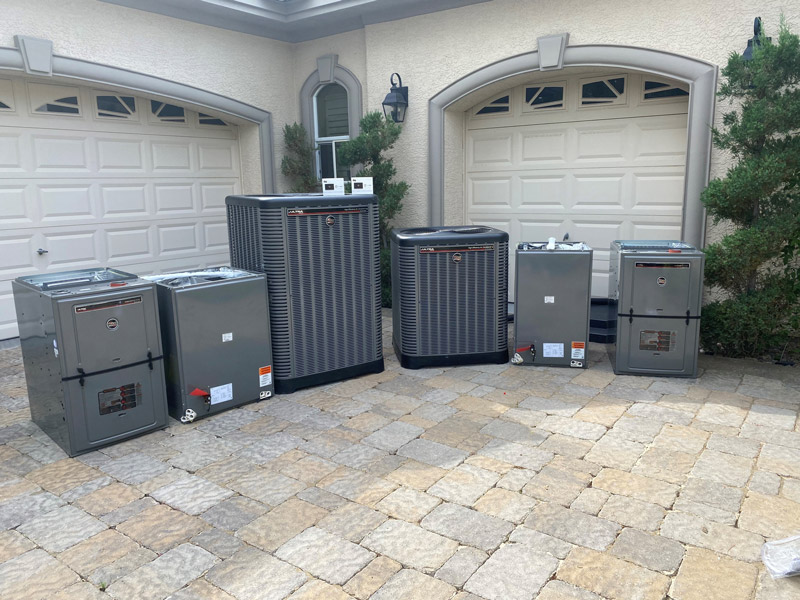
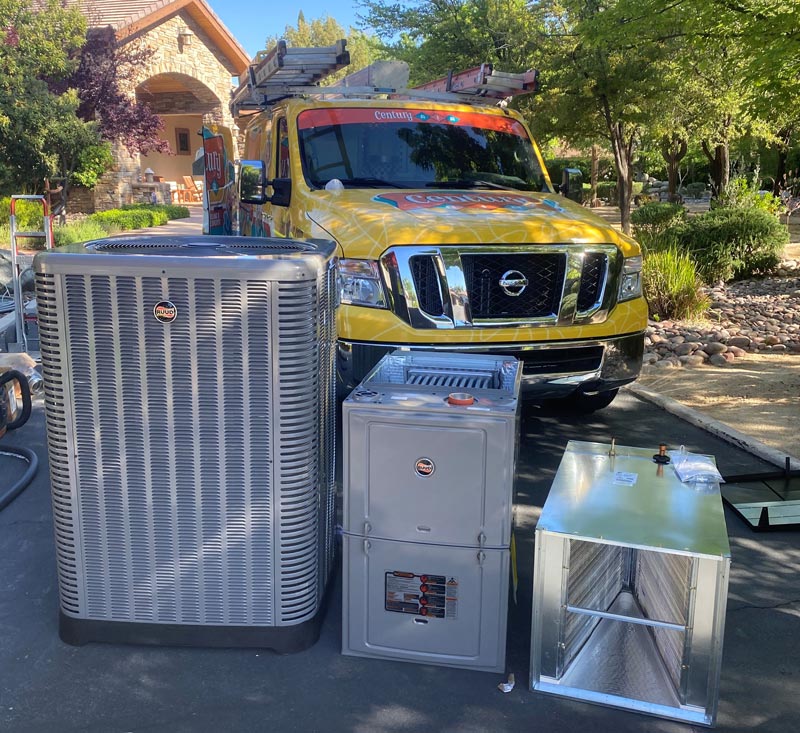
We begin every Centennial Hills furnace call by asking about the specific pattern of the problem, including which parts of the home are affected and when the issue tends to show up. Given how often elevation-driven cold plays a role here, we take outdoor temperature conditions into account when evaluating symptoms.
Our technician inspects ignition components, the heat exchanger, blower operation, and airflow balance throughout the home, since floor-to-floor temperature differences are common enough in this community to warrant a look beyond the furnace itself.
Once we’ve identified the cause, we explain it honestly and lay out your options clearly. If the system’s age suggests replacement is worth discussing, we’ll raise that directly rather than continuing to patch an aging unit indefinitely.
Providence is one of the newer master-planned sections of Centennial Hills, and last winter a homeowner named Nathan called us during the season’s coldest week because his upstairs bedrooms were warm while the downstairs living areas stayed uncomfortably chilly no matter how long the furnace ran.
Our technician found that a supply damper feeding the downstairs zone had been left in a partially closed position, likely since the home’s original construction, significantly restricting airflow to that part of the house. The furnace itself was functioning correctly. The damper was adjusted and the airflow rebalanced between floors, and Nathan reported even heating throughout the home within the same visit.
He mentioned he’d assumed the furnace simply wasn’t powerful enough for a two-story layout. It turned out to be a straightforward adjustment rather than an equipment limitation.

Centennial Hills genuinely gets colder than much of the Las Vegas valley, and that means furnace reliability matters more here than homeowners elsewhere might assume. We’ve been serving this community since 1997 and understand both the elevation effect and the aging first-generation equipment found throughout the area.
Centennial Hills sits at a higher elevation than most of the surrounding valley, which means genuinely colder overnight temperatures during winter cold snaps compared to lower-lying communities. Furnaces here work harder as a result.
Not necessarily. In two-story Centennial Hills homes, this pattern is often caused by an airflow balance issue, such as a partially closed damper, rather than a furnace malfunction. We check both the equipment and the airflow distribution during a service visit.
It’s common for original equipment in homes built during Centennial Hills’s development boom to still be in place at this age, and fifteen to twenty-five years is right in the window where furnace components become more prone to failure. It’s worth having the system evaluated.
The difference varies by night and weather pattern, but Centennial Hills’s higher elevation reliably produces colder conditions than lower parts of the Las Vegas valley, especially during clear, calm winter nights.
Yes. Given how much colder this part of the valley gets during winter cold snaps, a furnace failure here can become urgent quickly. Century AC & Heating Repair offers emergency service for situations that need immediate attention.