



Desert Shores is one of the most distinctive residential communities in Las Vegas, built around a series of man-made lakes in the northwest valley. The artificial waterfront creates a microclimate that sets Desert Shores apart from surrounding neighborhoods, with slightly elevated humidity levels and different evaporation-driven cooling effects than the surrounding desert. For AC systems, that difference matters. Century AC & Heating Repair has served this community and the broader northwest valley for nearly 30 years, and we understand the specific demands that lakeside living in the Mojave puts on residential cooling equipment.
The community sits just east of US 95 and is predominantly composed of homes and condominiums built in the late 1980s through the 1990s. That housing age puts much of Desert Shores in a critical maintenance and replacement window, and the lake-influenced environment adds an extra layer of consideration when evaluating equipment condition.

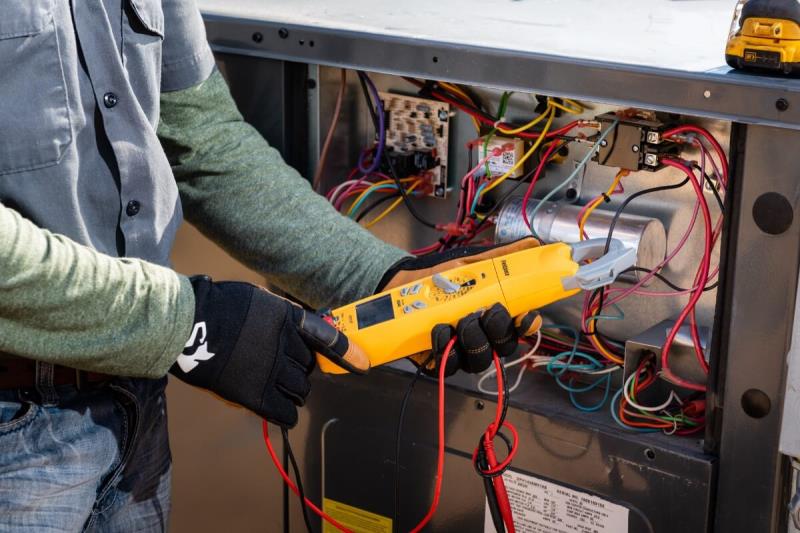
Every service call in Desert Shores begins with a thorough diagnostic process. We ask about what you’ve been experiencing, inspect both the indoor and outdoor components carefully, and pay particular attention to signs of moisture-related wear that are more common near the lakefront than in drier valley communities.
Corrosion on electrical components, accelerated biological growth on evaporator coils, and condensate system issues are all more prevalent in Desert Shores than in the surrounding desert neighborhoods, and our technicians know to look for these specifically. A diagnostic that misses moisture-related deterioration in an otherwise functional system will result in a repair that comes back much sooner than it should.
We explain what we find clearly, give you honest options, and let you make the decision. Whether it’s a simple part replacement or a more involved repair, the process is the same: honest diagnosis, transparent pricing, work done right.
The lakefront environment of Desert Shores can accelerate certain types of AC failure in ways that residents sometimes don’t immediately connect to their location. These warning signs are particularly relevant here.
Moisture-related problems in Desert Shores tend to develop more gradually than typical mechanical failures, which means homeowners sometimes adapt to declining performance rather than recognizing it as a problem worth addressing.

The lakes at Desert Shores maintain ambient moisture levels that are meaningfully higher than the surrounding Las Vegas Valley, particularly in the hours around dawn and dusk when evaporation from the water surface is most pronounced. That additional humidity, modest by most standards but significant in a desert context, changes how AC systems perform and how they deteriorate. Evaporator coils in lakeside homes accumulate biological growth faster because the combination of moisture and organic particulate from the water surface creates favorable conditions for it. Without regular cleaning and treatment, this growth reduces cooling efficiency and introduces air quality concerns.
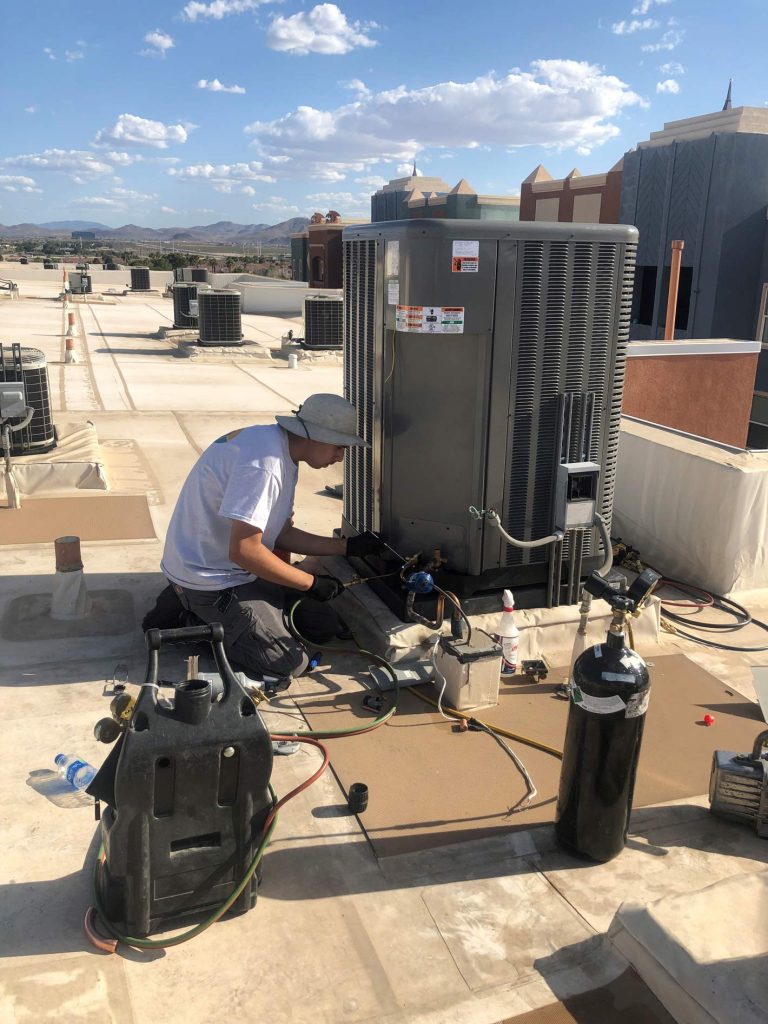
Outdoor condenser units in Desert Shores also show accelerated surface corrosion on aluminum fins and copper components compared to units in drier parts of the valley. This corrosion degrades heat transfer efficiency over time and, in advanced cases, can compromise refrigerant line connections. Annual maintenance that includes inspecting these components for moisture-related damage is more than a best practice here. It’s a meaningful investment in system longevity.
The condensate systems in Desert Shores homes also carry heavier loads than systems in drier communities because the system is removing more moisture from the air. Drain lines that would be fine with annual cleaning elsewhere may require more frequent attention here to prevent backups.
One of the lakefront condominiums in Desert Shores was where we met a homeowner named Allan last July. He’d noticed his system was barely keeping up in the afternoons and had a faint musty quality to the air coming from the vents. He’d cleaned the filters regularly and couldn’t figure out why performance had dropped so noticeably compared to previous summers.
When our technician opened the air handler, the evaporator coil had a significant layer of biological growth across the fin surfaces, the kind that develops gradually in higher-moisture environments like lakeside properties. The coil was cleaned, the drain pan and line were cleared and treated, and the system airflow improved immediately. Allan mentioned the musty smell was gone by the time he got home from work that evening. A maintenance issue that had been building for a couple of seasons resolved in one visit.
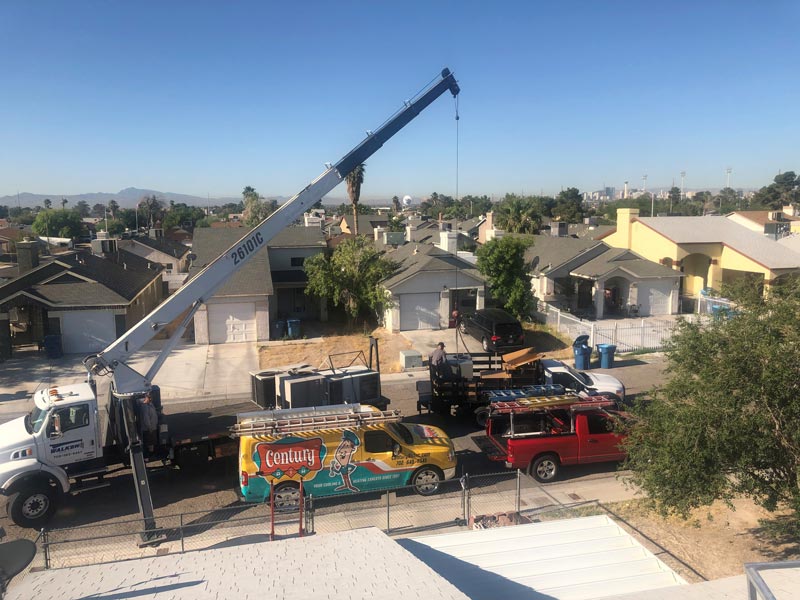
Serving a community as distinctive as Desert Shores requires understanding that its unique environment creates maintenance and repair needs that differ from the rest of the valley. We bring that understanding to every call here. Our technicians don’t apply a generic valley-wide checklist. They approach Desert Shores homes knowing what the lakefront conditions actually do to equipment over time.
That kind of local knowledge is what separates a family-owned company that’s been in the community for decades from a larger operation that sends whoever’s available. We’re invested in the neighborhoods we serve, and Desert Shores is one of them.
Yes, in measurable ways. The surface evaporation from the lakes creates slightly elevated humidity compared to the surrounding valley, which increases the moisture load on your cooling system, accelerates biological growth on evaporator coils, and speeds up corrosion on outdoor metal components. Annual maintenance is especially important for Desert Shores homes.