




Spring Valley Ranch is a newer residential development in the southwest Las Vegas Valley, part of the broader growth that has pushed the valley’s edge into what was open desert not long ago. Homes here are relatively recent construction, but newer doesn’t mean carefree when it comes to AC systems in this climate. In fact, newer communities in the outer valley often face specific challenges related to construction quality, site conditions, and the intensity of desert sun on homes with less established landscaping. Century AC & Heating Repair has served the greater Las Vegas area since 1997 and works regularly throughout the southwest valley.
Spring Valley Ranch’s position at the valley’s edge means homes here experience the full force of Mojave heat without the urban heat island buffer that inner-valley communities deal with. Daytime temperatures in this part of the valley are often indistinguishable from the regional peaks, but the slightly more open terrain means cleaner air and better nighttime cooling recovery than communities closer to the commercial core.

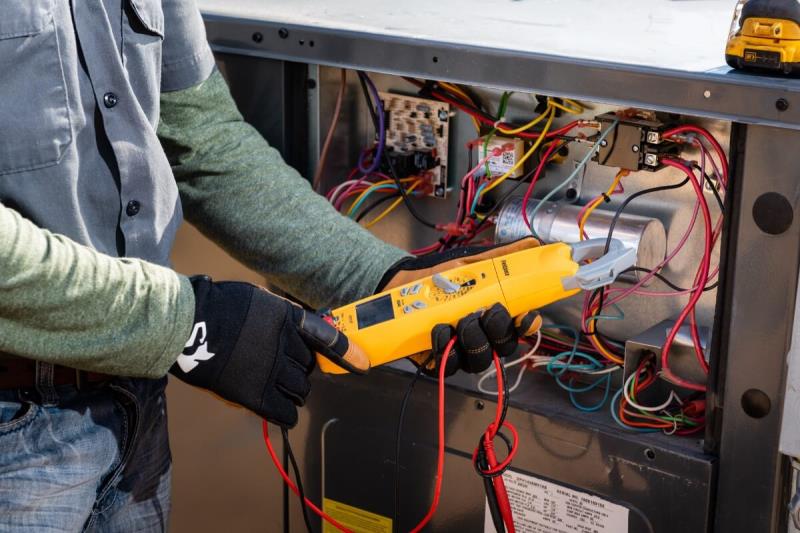
Newer homes in developments like Spring Valley Ranch tend to have high-efficiency equipment with more sophisticated control systems than older valley homes. Our technicians are trained on modern variable-speed and two-stage systems, smart thermostat integration, and the diagnostic tools these systems require. We don’t bring an old-school approach to new construction equipment.
That said, newer equipment in newer homes still fails, and in this climate it often fails in ways that are directly related to operating conditions. High ambient temperatures, construction dust from still-developing surrounding properties, and high-sun-exposure sites all affect system performance. We look at the full picture when we diagnose a problem here.
After diagnosis, we walk you through what we found clearly. We’re aware that newer homeowners sometimes feel pressure to defer to a technician’s recommendation without fully understanding the issue. We work against that dynamic by explaining everything and making sure you feel informed before making any decisions.
Even newer AC systems give warning signs before they fail. These are the most relevant ones for Spring Valley Ranch homeowners.
Newer homeowners sometimes dismiss these signs as the system settling in or needing adjustment. Some do need calibration, but others indicate real problems that benefit from early attention.
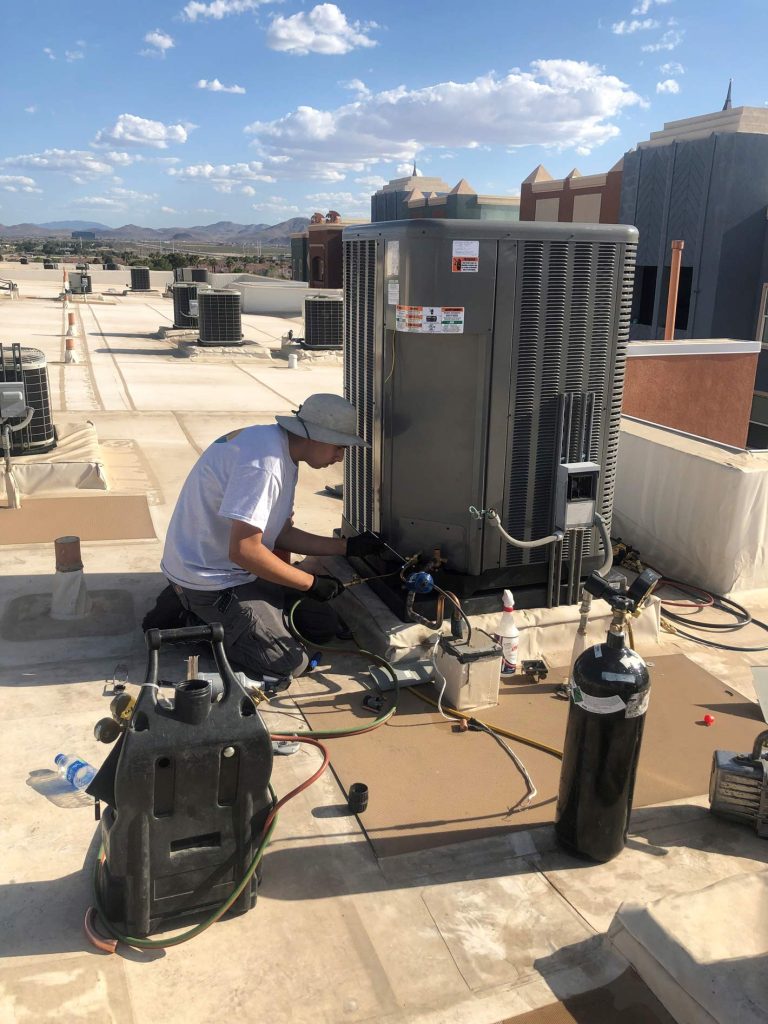
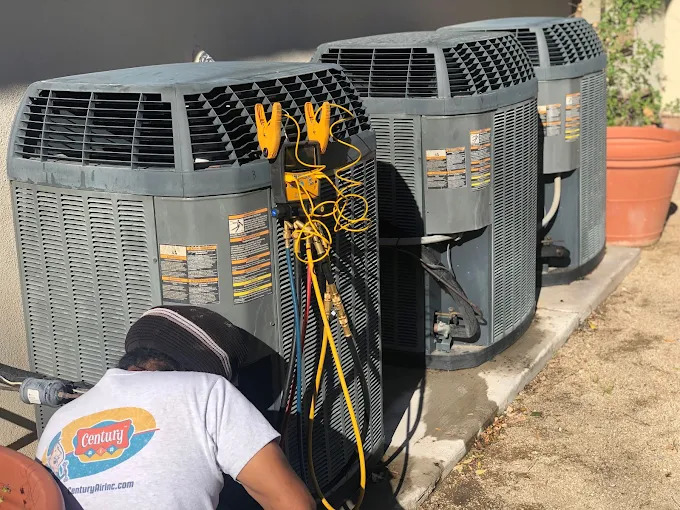
Spring Valley Ranch and similar newer developments at the valley’s edge sit on land that was desert floor until recently. Construction activity in and around developing neighborhoods generates enormous amounts of fine particulate, and this construction dust is particularly hard on AC systems during the first years of a new community’s buildout. Filters in homes near active construction can load in weeks rather than months, and that same dust penetrates outdoor condenser units and coats coil surfaces even when filters are being changed regularly.
New construction in the southwest valley also uses building techniques and materials that prioritize energy efficiency, which means tighter building envelopes and less natural air exchange. While this reduces heat gain, it also means that any contaminants, moisture, or off-gassing from new materials recirculate through the AC system more intensely during the first couple of years. Evaporator coil fouling in new construction can progress faster than homeowners expect as a result.
Additionally, new AC systems are sometimes installed before landscaping is complete, meaning the equipment operates in full direct sun during its first seasons. Condenser units benefit from afternoon shade, and without mature landscaping, equipment in new communities runs hotter than equivalent systems with established shade cover around them.
We visited a homeowner named Mike in Spring Valley Ranch last August after he called reporting that his brand-new system, installed just 18 months earlier, was delivering noticeably less cooling on the hottest afternoons than it had when it was first commissioned. The system had never been serviced since installation.
Our technician found the condenser coil heavily coated with construction dust from a neighboring development still under active building. The coating was thick enough to reduce heat rejection efficiency measurably. After a thorough coil cleaning and a filter replacement, the system performed at its original capacity. Mike was surprised that a system that new needed coil cleaning. In an established neighborhood with mature landscaping, it might have been years before that level of fouling developed. In active new construction, it happened in under two years.
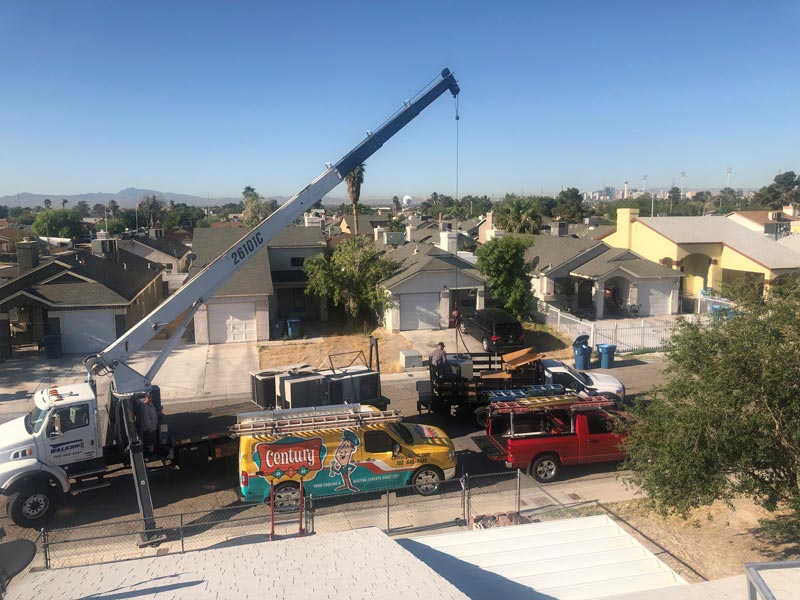
A newer community like Spring Valley Ranch sometimes gets overlooked by service companies that focus on the higher call volume of established neighborhoods. We don’t operate that way. Our coverage extends throughout the southwest valley and we treat every community with the same commitment to quality and honesty that has kept us going for nearly 30 years.
We understand newer construction because we’ve watched communities like this one develop over time and we know the patterns that emerge in the first years of a new neighborhood’s life. That context makes us more effective here, not less.