




Winchester’s dense, urban character shapes furnace repair here in ways that are different from most other parts of the valley. Compact lots, older apartment buildings, and a high concentration of multi-family properties mean furnace equipment comes in a wider variety of configurations than in more uniformly single-family communities. Century AC & Heating Repair has served Winchester since 1997, and homeowners searching for furnace repair in Winchester, NV often need a technician comfortable with everything from a standard residential system to a compact unit tucked into a tight utility closet.
Winchester also experiences a pronounced urban heat island effect thanks to its proximity to the Strip corridor and heavy commercial development nearby. That effect keeps overnight temperatures higher than in more suburban parts of the valley, which means furnaces here often see even less use than the Las Vegas average, similarly to neighboring Paradise.

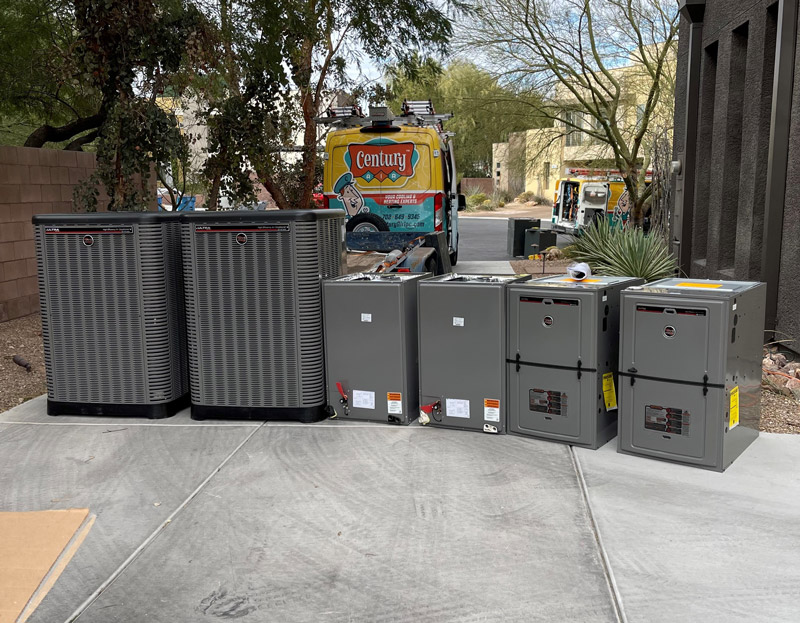
Winchester’s older, densely built housing produces a fairly specific set of furnace symptoms. These are the ones residents describe most often when calling us.
Any smell resembling gas should be treated as urgent. Shut the system off and call for service immediately rather than continuing to monitor it.
Winchester contains a significant number of older apartment and condo buildings from the 1970s and 1980s, many of which use compact furnace units installed in closets or small mechanical spaces never designed with easy access in mind. These tight configurations can make basic maintenance harder to perform and can also restrict airflow around the unit itself, which affects performance and component lifespan.
The area’s urban heat retention means furnaces here run less frequently than in less densely developed parts of the valley, similar to the pattern seen in neighboring Paradise. Reduced runtime gives components more time to degrade unnoticed between uses, and issues sometimes surface abruptly during a rare hard freeze rather than gradually over a season.
Winchester’s proximity to major roads and commercial corridors also means elevated levels of airborne particulate compared to more residential parts of the valley. This affects furnace filters and intake components in a way that mirrors what we see with AC systems in the same area, requiring more frequent filter attention than homeowners might expect.


Given Winchester’s mix of property types, we start every call by understanding the specific setup, whether that’s a standard residential furnace or a compact unit in a multi-family building. That context shapes both our diagnostic approach and how we plan the actual repair work.
We inspect ignition components, airflow, the heat exchanger, and controls, paying attention to how the unit’s installation environment might be contributing to the issue. In tight utility closets, restricted airflow around the unit itself is sometimes part of the problem, not just the furnace’s internal components.
After diagnosis, we explain everything clearly and offer honest recommendations. We work efficiently to minimize disruption in multi-family settings and coordinate with property access requirements when needed.
The residential streets near Eastern Avenue in Winchester include a mix of older single-family homes and small apartment buildings, and that’s where we visited a homeowner named Roberto last winter. His furnace, tucked into a small hallway closet, had started making a loud vibrating noise every time it ran.
Our technician found that the unit’s mounting had loosened over years of vibration in the tight space, allowing the cabinet to rattle against the surrounding closet walls each time the blower engaged. The unit was resecured and additional vibration dampening was added at the mounting points. The noise disappeared entirely, and Roberto mentioned it was the first time in years he hadn’t been able to hear the furnace running from the next room.
He mentioned he’d assumed the noise meant something inside the furnace itself was failing. It turned out to be a simple installation issue that had gradually worsened over time in the confined space.

Winchester’s dense mix of property types requires a technician comfortable working in tight spaces and understanding multi-family access needs. We’ve built that comfort level over nearly 30 years serving this part of the valley.
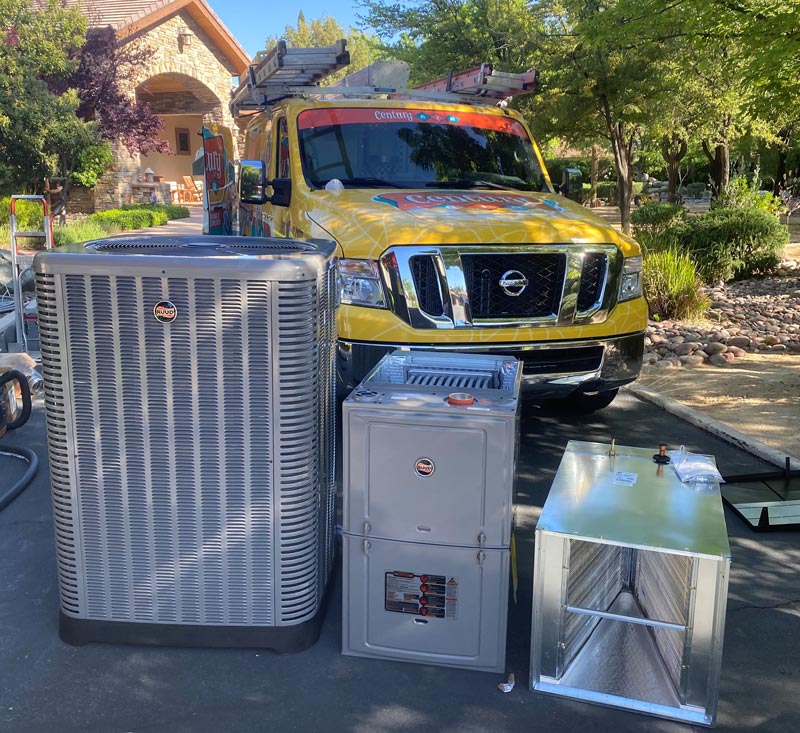
This is often caused by loose mounting hardware, especially in units installed in tight closets or utility spaces common in Winchester’s older properties. Resecuring the unit and adding vibration dampening typically resolves the noise.
Yes. Restricted airflow around a furnace installed in a tight space can affect how efficiently it operates and can accelerate wear on certain components. We check the installation environment as part of a thorough diagnostic in these situations.
Winchester’s proximity to dense commercial development and the Strip corridor creates a pronounced urban heat island effect, which keeps overnight temperatures higher than in more suburban parts of the valley. This means furnaces here often run less frequently overall.
Yes. Winchester has a significant number of multi-family properties, and we’re experienced with the compact furnace configurations common in these buildings. Access arrangements vary, so let us know your situation when you call.
Turn the system off immediately, avoid operating any switches or open flames nearby, and call for emergency service right away. This is not a situation to wait on.